
If you run an ecommerce store, you already know how frustrating low conversions can feel. You spend hours designing product pages, uploading images, running ads, and writing descriptions — but visitors still leave without buying. That was exactly my situation a few months ago. My traffic was increasing, but sales stayed almost the same. I thought the problem was my products, pricing, or even the market itself. But the real issue was much bigger: my store was failing to connect with customers emotionally and strategically. That’s when I discovered the power of AI prompts for ecommerce conversion optimization.
At first, I honestly thought AI tools were only useful for writing quick product descriptions or generating basic content. I didn’t realize that smart AI prompts could completely change the way customers interact with an online store. After testing different strategies, prompts, and AI workflows, I started seeing major improvements in customer engagement, product page performance, and most importantly — conversions.
The biggest advantage of using AI prompts for ecommerce conversion optimization is speed and precision. Instead of spending hours wondering why customers were abandoning carts or ignoring product pages, AI helped me identify hidden problems in seconds. I used AI prompts to improve headlines, rewrite weak call-to-actions, optimize product descriptions, create persuasive sales copy, and even understand customer psychology better. Slowly, my store started looking more professional, trustworthy, and conversion-focused.
One of the most surprising things I learned was that small wording changes can dramatically affect online sales. A simple AI-generated improvement in product benefits or emotional messaging can increase customer trust almost instantly. Using AI prompts for ecommerce conversion optimization, I transformed boring product pages into high-converting sales pages designed to grab attention and encourage action.
Another reason AI worked so well for my store is because it helped eliminate guesswork. Most ecommerce sellers make decisions based on assumptions, but AI tools analyze patterns, customer behavior, and proven marketing frameworks. This allowed me to create smarter content designed specifically for buyers instead of random website visitors. Whether it was writing SEO-friendly product descriptions, improving mobile copy, or generating high-converting email campaigns, AI became my secret ecommerce assistant.
Today, many successful online sellers are using AI prompts for ecommerce conversion optimization to improve Shopify stores, increase average order value, reduce bounce rates, and boost customer trust. The ecommerce industry is becoming more competitive every year, and stores that fail to optimize customer experience are losing sales daily. AI is no longer just a trend — it’s becoming one of the most powerful tools for modern ecommerce growth.
In this article, I’ll share exactly how I used AI prompts to fix my store’s low conversion problem, the specific prompts that worked best, the mistakes I made, and the strategies that helped increase my sales. If your online store is getting traffic but not enough orders, these AI-powered ecommerce strategies could completely change the way your business performs in 2026 and beyond.
Introduction: Why My Ecommerce Store Was Failing to Convert
Running an ecommerce store looks exciting from the outside. You launch a beautiful website, upload products, run ads, and wait for sales notifications to start coming in. That was exactly what I expected when I started my online store. In the beginning, everything seemed to be working. My website traffic was increasing every week, visitors were clicking on products, and people were spending time browsing my store. But there was one massive problem — almost nobody was buying anything.
At first, I thought low sales were normal for new ecommerce businesses. I kept focusing only on increasing traffic because most online marketing videos claimed that “more visitors = more sales.” So I invested more time in SEO, social media promotion, and paid advertising. Slowly, traffic numbers improved, but conversions barely changed. Watching thousands of visitors leave without making a purchase became frustrating and mentally exhausting.
This is one of the biggest reasons many online stores fail today. Ecommerce sellers become obsessed with traffic but completely ignore ecommerce conversion optimization. Getting visitors to your website is only half the battle. The real challenge is convincing those visitors to trust your brand and complete a purchase. That’s where I realized my store had serious conversion problems.
One of my biggest mistakes was using weak product descriptions that sounded robotic and generic. My headlines lacked emotional connection, my product pages were confusing, and my call-to-action buttons didn’t create urgency. I also ignored customer psychology completely. Instead of focusing on how buyers think and make decisions, I focused only on uploading more products and driving more clicks.
Another major problem was trust. Modern online shoppers are smarter than ever. If your store looks unprofessional, slow, or unclear, customers leave instantly. According to Shopify, even small improvements in product page clarity and customer trust can significantly increase ecommerce conversions. Unfortunately, I learned this lesson too late.
The turning point came when I started researching smarter ways to improve my online store. I spent weeks studying conversion optimization strategies, customer behavior, and ecommerce marketing trends. During this process, I discovered something that completely changed my business approach — AI prompts for ecommerce conversion optimization.
Initially, I was skeptical. I thought AI tools were only useful for generating random content quickly. But after seeing how ecommerce sellers were using AI to improve product pages, write persuasive copy, optimize SEO, and increase customer engagement, I decided to test it myself. That decision completely transformed the way I managed my online store.
Using AI prompts for ecommerce conversion optimization, I started rewriting product descriptions with stronger emotional triggers, improving headlines, creating better calls-to-action, and optimizing customer-focused messaging. Instead of guessing what customers wanted, AI helped me understand buyer intent more clearly. Slowly, my product pages became more engaging, professional, and conversion-focused.
One of the biggest advantages of AI was speed. Tasks that previously took me hours could now be completed in minutes. More importantly, AI helped me identify hidden weaknesses that I never noticed before. For example, I learned that many of my product descriptions focused too much on features instead of benefits. AI helped me rewrite them in a way that connected emotionally with buyers.
I also started learning more about SEO and ecommerce optimization through helpful resources from Google Search Central and industry guides from HubSpot. These platforms helped me understand how user experience, page structure, and customer trust directly affect online sales.
If you’ve already read my previous guide on improving ecommerce SEO strategies, you’ll understand why conversion optimization and traffic generation must work together. Simply attracting visitors is not enough anymore. In today’s competitive ecommerce world, stores need smarter systems that turn visitors into paying customers.
That’s exactly why AI prompts for ecommerce conversion optimization became one of the most powerful tools in my business journey. Instead of struggling with low conversions and random marketing tactics, I finally started building a store designed to convert visitors into real buyers.
What Are AI Prompts for Ecommerce Conversion Optimization?
Running an online store in 2026 is no longer just about uploading products and waiting for customers to buy. Ecommerce competition is growing faster than ever, and customers now expect smarter shopping experiences, personalized recommendations, and high-quality product content. This is exactly where AI prompts for ecommerce conversion optimization are changing the game for modern online sellers.
Simply put, AI prompts are instructions or commands given to AI tools like ChatGPT or Google Gemini to generate specific types of ecommerce content. These prompts help store owners create better product descriptions, persuasive headlines, SEO-friendly content, customer emails, ad copy, and conversion-focused sales messaging within seconds.
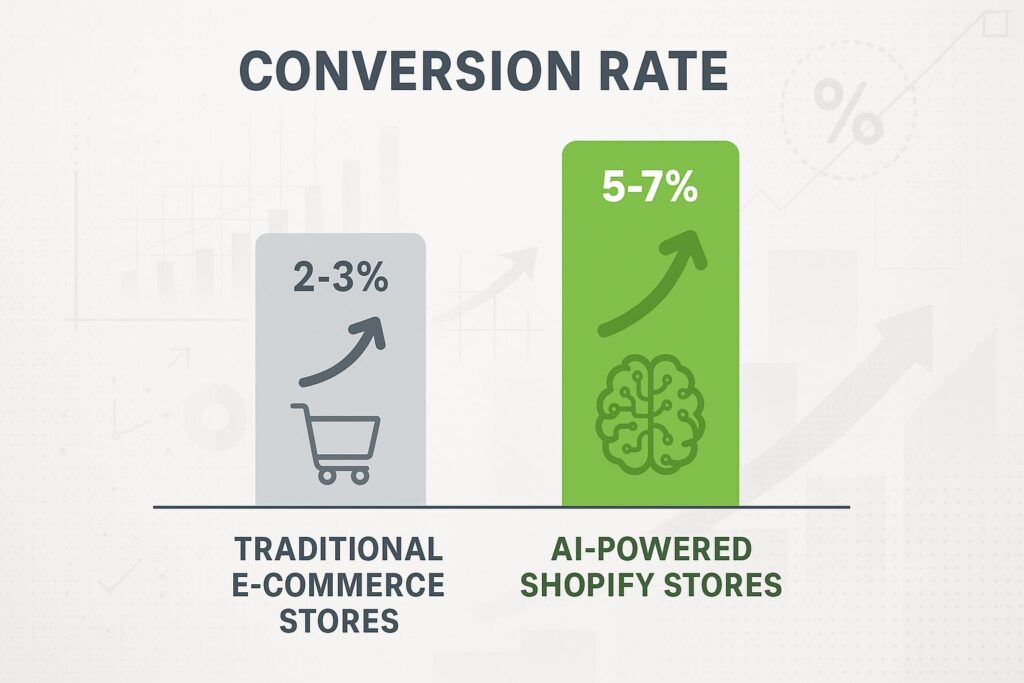
Instead of spending hours trying to figure out why visitors are not converting into buyers, ecommerce sellers can now use AI prompts to identify problems and improve customer experience quickly. This is why AI prompts for ecommerce conversion optimization have become one of the most powerful ecommerce growth strategies in 2026.
- Understanding AI Prompts in Ecommerce
AI prompts work like smart instructions for artificial intelligence tools. The quality of the output depends heavily on the quality of the prompt itself. For example, instead of asking AI to “write a product description,” a better ecommerce-focused prompt would be:
“Write a persuasive SEO-optimized product description for a premium leather wallet targeting working professionals aged 25–40. Highlight durability, luxury feel, and gift appeal.”
This type of detailed instruction allows AI tools to generate content specifically designed to increase engagement and conversions.
Today, ecommerce sellers are using AI prompts for ecommerce conversion optimization for multiple tasks, including:
- Writing product descriptions
- Creating high-converting email campaigns
- Generating SEO blog content
- Improving call-to-action buttons
- Optimizing Shopify product pages
- Recovering abandoned carts
- Understanding customer psychology
- Creating social media marketing captions
Many store owners also use AI to analyze customer behavior patterns and identify weak areas in their sales funnel. This helps improve not only traffic but also actual purchase decisions.
If you already run a Shopify store, you may also find our detailed guide on Shopify SEO strategies helpful:
What Is Shopify SEO? A Beginner’s Guide to Ranking Your Store in 2026
- How AI Improves Customer Engagement
One of the biggest reasons ecommerce stores fail is poor customer engagement. Many online stores look professional visually but fail to communicate value emotionally. AI helps solve this issue by creating more customer-focused messaging.
For example, AI can rewrite boring product descriptions into emotionally persuasive sales copy that highlights benefits instead of just features. Instead of saying:
“This backpack has waterproof material.”
AI-generated copy may say:
“Protect your laptop, documents, and essentials from unexpected rain during work, travel, or daily commutes.”
This small change creates a stronger emotional connection with customers.
Using AI prompts for ecommerce conversion optimization, sellers can also personalize content based on audience type, shopping behavior, age group, or buying intent. Personalized shopping experiences make customers feel understood, which naturally increases trust and conversions.
AI also improves engagement through:
- Better email subject lines
- Smarter chatbot responses
- Personalized product recommendations
- Faster customer support replies
- High-converting landing page copy
In modern ecommerce, engagement is directly connected to conversion rates. The more relevant and emotionally appealing your content feels, the more likely customers are to buy.
- Why Ecommerce Sellers Are Using AI in 2026
In 2026, AI is no longer just an optional tool for big companies. Small ecommerce businesses, dropshippers, Shopify sellers, Etsy store owners, and affiliate marketers are all using AI to compete in crowded markets.
The biggest reason sellers are adopting AI prompts for ecommerce conversion optimization is efficiency. AI reduces content creation time dramatically while improving overall marketing quality. A task that previously took hours can now be completed in minutes.
Another major advantage is scalability. Ecommerce sellers managing multiple products can generate optimized descriptions, ad copy, and SEO content quickly without hiring large marketing teams.
Most importantly, AI helps sellers make smarter data-driven decisions. Instead of guessing what customers want, AI tools analyze trends, keywords, and customer behavior to create more conversion-focused content.
As ecommerce becomes more competitive every year, sellers who fail to adapt to AI-powered optimization may struggle to keep up with stores that use smarter automation and customer-focused marketing strategies.
The Biggest Problems Killing My Store Conversions
When I first started researching AI prompts for ecommerce conversion optimization, I believed my store’s biggest problem was traffic. I spent money on ads, posted regularly on social media, and even tried different SEO strategies. Visitors were coming to my store, but the sales still remained disappointing. That’s when I realized the real issue wasn’t traffic — it was conversion optimization.
After analyzing my store carefully, I discovered four major problems that were silently destroying my sales: weak product descriptions, poor call-to-action buttons, lack of customer trust signals, and a high cart abandonment rate. These are common ecommerce mistakes that many online sellers ignore until their business starts struggling.
- Weak Product Descriptions
One of the biggest reasons customers weren’t buying from my store was because my product descriptions sounded generic and boring. I was simply listing product features instead of explaining how the products could solve customer problems or improve their lives. Modern buyers want emotional connection, benefits, and confidence before making a purchase decision.
Using AI prompts for ecommerce conversion optimization, I learned how to create product descriptions that focused on customer pain points, emotional triggers, and real-world benefits. Instead of saying, “This backpack has multiple compartments,” AI helped me rewrite it into something more persuasive like, “Stay organized during busy workdays and travel without carrying extra bags.”
This small change made my product pages feel more human and customer-focused. According to Shopify, high-converting product descriptions should focus on benefits, storytelling, and customer emotions instead of technical details alone.
If you also want to improve ecommerce content strategy, you can read our related guide on What Is Shopify SEO and How It Works where we explained how SEO and user experience work together to increase store visibility and conversions.
- Poor Call-to-Action Buttons
Another huge mistake I made was using weak call-to-action buttons like “Submit” or “Buy Now” everywhere without thinking about customer psychology. These buttons felt robotic and gave shoppers no emotional reason to click.
With the help of AI prompts for ecommerce conversion optimization, I tested stronger CTA phrases like:
- “Get Yours Before It Sells Out”
- “Start Your Upgrade Today”
- “Claim Your Limited Offer”
These AI-generated CTAs created urgency and excitement. I also learned that button placement, colors, and wording can directly impact ecommerce conversions. Even small improvements can increase clicks and reduce hesitation.
Today, many successful ecommerce brands use AI tools to optimize CTA performance based on customer behavior patterns. This helped me understand that conversions are not only about products — they are about guiding users toward action.
- Lack of Customer Trust Signals
One of the hidden conversion killers in my store was the lack of trust signals. New visitors had no reason to trust my brand because my store looked incomplete and lacked credibility elements.
I was missing:
- Customer reviews
- Secure payment badges
- Clear return policies
- Real product images
- Social proof
After using AI prompts for ecommerce conversion optimization, I started improving my trust-building strategy. AI helped me create professional FAQ sections, better shipping explanations, and persuasive customer-focused copy that reduced buyer hesitation.
I also followed recommendations from HubSpot about building trust through transparent communication and user experience optimization.
Once customers started feeling safer on my website, engagement improved naturally.
- High Cart Abandonment Rate
The final major problem was cart abandonment. Customers were adding products to their cart but leaving before completing checkout. At first, I thought the pricing was too high, but the real issue was lack of follow-up and poor checkout experience.
Using AI prompts for ecommerce conversion optimization, I created:
- Cart recovery emails
- Personalized discount messages
- Better checkout copy
- Urgency-based reminders
AI helped me write emails that sounded personal instead of automated. This made customers feel valued rather than targeted.
Fixing these four problems completely changed my understanding of ecommerce success. I realized that increasing traffic alone cannot grow an online store if the customer experience is weak. Real ecommerce growth happens when every page, button, and message is optimized for trust, engagement, and conversions.
How I Started Using AI Prompts in My Store
When I first discovered AI prompts for ecommerce conversion optimization, I honestly didn’t expect major results. Like many online sellers, I thought AI tools were only useful for generating quick content or saving time. My store already had decent traffic, but visitors were not converting into paying customers. Product pages looked average, descriptions sounded robotic, and my calls-to-action were weak. That’s when I decided to seriously test AI-powered ecommerce strategies.
- Choosing the Right AI Tools
The first step was finding AI tools that actually helped ecommerce sellers instead of creating generic content. I tested several platforms before finding tools that matched my needs. Some AI tools generated content quickly but lacked emotional selling points. Others created readable copy but ignored SEO optimization completely.
Eventually, I focused on AI tools designed for:
- Product description writing
- SEO optimization
- Customer psychology analysis
- Email marketing automation
- Conversion-focused sales copy
One of the biggest game changers was learning how to write detailed prompts instead of basic commands. Instead of typing “write product description,” I started using prompts like:
“Write a persuasive ecommerce product description targeting emotional buyers, highlight benefits over features, use simple US English, and optimize for mobile users.”
That single change improved the quality of AI-generated content dramatically.
I also realized that AI works best when combined with human editing. Many sellers make the mistake of publishing AI-generated text without checking readability or customer intent. I started editing every AI response to make it sound more natural and trustworthy.
Another helpful strategy was studying successful ecommerce brands. I analyzed high-converting product pages from Shopify and learned how top sellers structure headlines, benefits, trust signals, and product storytelling. I also used insights from HubSpot to understand how conversion-focused copywriting influences customer behavior.
If you’re working on ecommerce SEO and optimization, you can also read my related guide on
What Is Shopify SEO? A Beginner’s Guide to Ranking Your Store in 2026
- My First Ecommerce AI Prompt Tests
In the beginning, I tested AI prompts on small sections of my store instead of changing everything at once. I started with:
- Product titles
- Product descriptions
- CTA buttons
- Meta descriptions
- Cart abandonment emails
The first improvement I noticed was readability. AI helped simplify complicated wording and made product benefits easier to understand. Customers usually scan product pages quickly, so clear messaging became extremely important.
Next, I tested emotional copywriting prompts. Instead of describing only technical product features, AI prompts focused on customer outcomes and feelings. For example, rather than saying:
- “Durable waterproof backpack”
AI suggested:
- “Stay organized and travel confidently in any weather.”
That emotional shift made the product feel more valuable.
I also used AI prompts for ecommerce conversion optimization to improve SEO naturally. The AI inserted keywords smoothly without stuffing them unnaturally into the content. Over time, some of my product pages started ranking better in search engines, bringing more targeted visitors.
- Mistakes I Made in the Beginning
Even though AI improved my store, I made several mistakes early on.
The biggest mistake was trusting AI too much. At first, I copied AI-generated content directly onto product pages without editing it. Some descriptions sounded repetitive, generic, or unrealistic. Customers can quickly notice low-quality sales copy, so human editing is still necessary.
Another mistake was using short prompts. Weak prompts create weak results. I learned that detailed instructions produce better ecommerce content. The more context you provide, the smarter the output becomes.
I also focused too much on traffic instead of conversions. Initially, I thought SEO alone would solve my problems. But more visitors don’t always mean more sales. AI prompts for ecommerce conversion optimization helped me understand that improving customer trust, readability, and emotional connection matters just as much as increasing traffic.
Looking back, starting with AI was one of the smartest decisions I made for my ecommerce business. It didn’t magically solve every problem overnight, but it gave me the tools to improve faster, test smarter strategies, and understand my customers better than before.
AI Prompts That Improved My Product Pages
After experimenting with different strategies, I realized that product pages were the biggest reason my store struggled with sales. Customers were visiting my store, but they weren’t emotionally connected to the products. Most pages looked basic, lacked persuasive copy, and failed to build trust. That’s when I started using AI prompts for ecommerce conversion optimization specifically for product page improvements.
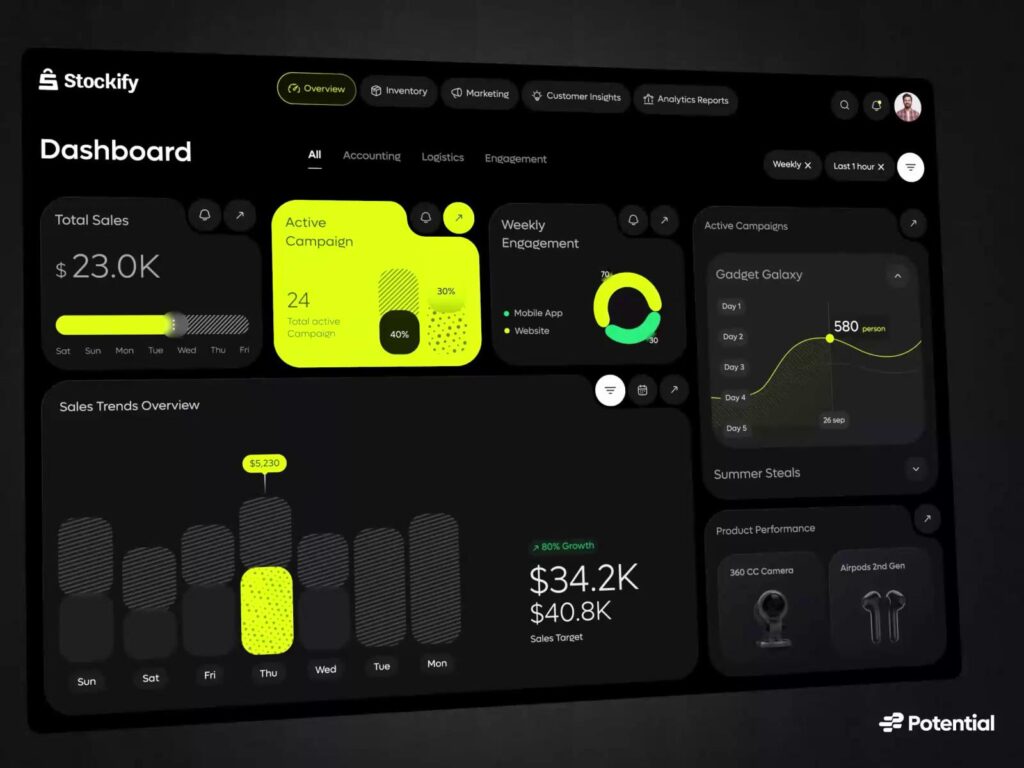
The results surprised me more than anything else I tested.
- Writing High-Converting Product Descriptions
Before using AI, my product descriptions focused mostly on features. I described size, materials, colors, and technical details, but I completely ignored customer emotions and buying psychology.
AI helped me shift from feature-based writing to benefit-driven selling.
For example, instead of:
- “Made with premium cotton fabric”
AI generated:
- “Enjoy all-day comfort with breathable premium cotton designed for daily wear.”
That small difference made the product feel more personal and useful.
I also started using AI prompts that targeted specific audiences. Instead of generic descriptions, the content became more customer-focused. My prompts included:
- customer pain points
- emotional triggers
- buying motivations
- lifestyle improvements
This made product pages feel more human and relatable.
To improve my ecommerce copywriting further, I studied examples and conversion strategies from Neil Patel and ecommerce optimization insights from BigCommerce.
If you want to improve ecommerce content strategy further, you can also read my internal guide:
25 ChatGPT Prompts for Sellers to Automate Sales & Marketing
- Creating Emotional Sales Copy
One of the most powerful lessons I learned is that customers buy emotionally first and logically second. AI helped me create emotionally engaging product copy much faster than manual writing.
Using AI prompts for ecommerce conversion optimization, I created:
- urgency-focused copy
- trust-building product messaging
- lifestyle storytelling
- problem-solving headlines
Instead of simply listing benefits, the AI helped create scenarios customers could imagine themselves experiencing.
For example:
- “Perfect for travelers who want lightweight comfort without sacrificing style.”
That style of copy makes the product feel connected to real life instead of just another item online.
I also noticed that emotional storytelling reduced bounce rates because visitors stayed longer on product pages.
- Optimizing Headlines and Product Benefits
Headlines play a huge role in ecommerce conversions. Weak headlines lose customer attention immediately.
AI helped me generate multiple headline variations quickly. Instead of using boring product titles, I tested more engaging versions focused on benefits and outcomes.
For example:
- “Wireless Earbuds”
became: - “Experience Crystal-Clear Sound Anywhere You Go”
That sounds more exciting and customer-focused.
I also used AI to organize product benefits into scannable sections. Modern ecommerce shoppers rarely read full paragraphs. AI-generated formatting helped improve:
- readability
- bullet point structure
- mobile scanning
- CTA placement
- Improving Mobile Shopping Experience
More than half of ecommerce traffic now comes from mobile devices, but many product pages still look cluttered on small screens.
AI helped simplify my content for mobile users by:
- shortening long paragraphs
- improving readability
- creating faster-scanning sections
- optimizing CTA placement
This improved user experience significantly. Customers could understand product value faster without feeling overwhelmed.
Using AI prompts for ecommerce conversion optimization completely changed the way I build product pages today. Instead of guessing what customers want, AI helps create content based on psychology, readability, SEO, and real conversion strategies.
Using AI Prompts for Ecommerce Marketing
When I first started experimenting with AI prompts for ecommerce conversion optimization, I mainly focused on fixing product descriptions. But after seeing early results, I realized AI could improve almost every part of my ecommerce marketing strategy. From SEO optimization to email campaigns and social media content, AI became one of the most powerful tools for increasing customer engagement and boosting online sales.
One of the biggest areas where AI helped me was SEO. Most ecommerce stores fail because their product pages are poorly optimized for search engines. Earlier, I used random keywords without understanding customer intent. But with AI prompts, I started generating SEO-friendly titles, product descriptions, meta descriptions, and FAQs designed specifically for ranking higher on Google. I also used AI to identify long-tail keywords related to buyer intent instead of targeting highly competitive generic keywords.
For example, instead of using simple keywords like “wireless headphones,” AI suggested phrases like “best wireless headphones for gym workouts” or “noise-canceling headphones for travel.” These keywords attracted more targeted visitors who were actually ready to buy. This is where AI prompts for ecommerce conversion optimization made a major difference in my store’s organic traffic.
I also used AI-generated prompts for writing email marketing campaigns. Earlier, my emails looked robotic and generic, which resulted in low open rates. AI helped me create more emotional and personalized emails that connected with customers better. I generated welcome emails, product recommendation emails, flash sale campaigns, and customer re-engagement sequences within minutes.
One AI-generated email campaign increased my click-through rate simply because the messaging sounded more human and benefit-driven. Instead of focusing only on discounts, AI helped me highlight customer pain points, urgency, and emotional benefits. This improved customer trust and made my brand feel more professional.
Another major problem in my store was cart abandonment. Customers would add products to their cart and leave without purchasing. This is common in ecommerce, but I discovered that smart AI prompts for ecommerce conversion optimization can recover many lost sales.
I used AI to create cart abandonment recovery emails with persuasive subject lines, urgency-based copy, and customer reassurance messages. Some prompts focused on reminding customers about limited stock, while others emphasized free shipping, easy returns, or product benefits. These small psychological improvements significantly increased recovery rates.
AI also transformed the way I handled social media content. Earlier, creating daily promotional posts felt exhausting and repetitive. Now, I use AI prompts to generate Instagram captions, Facebook ad copy, short-form promotional hooks, and even viral ecommerce content ideas. This helped maintain consistency without spending hours creating content manually.
One of the best things about AI is speed. A task that earlier took me two or three hours now takes only a few minutes. More importantly, AI-generated ecommerce marketing content feels structured, data-driven, and conversion-focused.
If you want to learn more about ecommerce SEO strategies, you can also read my detailed guide on
What Is Shopify SEO? A Beginner’s Guide to Ranking Your Store in 2026
For additional ecommerce SEO learning, I highly recommend studying the official guides from
Shopify SEO Documentation
and
Google Search Central SEO Starter Guide
Today, ecommerce competition is much higher than before, and traditional marketing alone is no longer enough. Sellers who understand how to use AI prompts for ecommerce conversion optimization are building faster, smarter, and more profitable online stores. Whether you want better SEO rankings, higher email conversions, stronger customer engagement, or improved social media marketing, AI can dramatically simplify the entire process while increasing results at the same time.
The Exact AI Prompts That Increased My Sales
After months of testing different strategies, I finally discovered that the real power of AI prompts for ecommerce conversion optimization depends on the quality of prompts you use. Generic prompts produce average results, but detailed and conversion-focused prompts can completely transform an ecommerce store.
The first category of prompts that improved my sales was product description prompts. Earlier, my product descriptions were short, boring, and feature-focused. They didn’t explain why customers actually needed the product. AI helped me create descriptions that focused on benefits, emotions, and customer problems.
One of my most successful prompts was:
“Write a persuasive ecommerce product description focusing on customer pain points, emotional benefits, trust, and conversion optimization.”
This simple prompt generated better descriptions than many manually written ones. Customers started spending more time on product pages because the content felt more relatable and engaging.
The second type of AI prompt that helped me was customer psychology prompts. Most ecommerce sellers focus only on product features instead of buyer emotions. AI allowed me to analyze customer intent and create messaging that matched real purchasing behavior.
For example, I used prompts like:
“Act like an ecommerce conversion expert and explain why customers hesitate to buy this product.”
This helped identify trust issues, pricing objections, weak benefits, and missing emotional triggers. After fixing those problems, my conversion rate improved noticeably.
Another highly effective strategy involved conversion-focused CTA prompts. Earlier, my buttons used weak phrases like “Buy Now” or “Submit.” AI helped generate stronger calls-to-action designed around urgency and emotional triggers.
Some examples included:
- “Get Yours Before Stock Runs Out”
- “Start Saving Time Today”
- “Upgrade Your Daily Routine Now”
These small wording changes had a surprisingly strong impact on customer actions. This is why AI prompts for ecommerce conversion optimization are so powerful — even tiny changes can improve conversions significantly.
SEO prompts also played a huge role in increasing organic traffic. I used AI to generate keyword-rich headings, optimized meta descriptions, and long-tail keyword ideas specifically for ecommerce buyers.
One useful SEO prompt was:
“Generate high-converting SEO keywords for an ecommerce product targeting buyers with strong purchase intent.”
This helped me rank for more specific search terms instead of broad competitive keywords. As a result, I started attracting visitors who were more likely to purchase instead of casual browsers.
Another benefit of using AI prompts is consistency. Ecommerce marketing requires constant content creation, and AI helps maintain a professional tone across product pages, blogs, emails, and social media posts.
If you want to improve your ecommerce content strategy further, check out my detailed article on 25 ChatGPT Prompts for Sellers to Automate Sales & Marketing
You can also explore advanced AI marketing resources from
HubSpot AI Marketing Guide
and
OpenAI ChatGPT Guide
The biggest lesson I learned is that AI alone does not magically increase sales. Success comes from using smart prompts strategically. The better your prompts, the better your ecommerce content becomes. Today, many successful online sellers rely on AI prompts for ecommerce conversion optimization to improve customer trust, optimize product pages, increase organic traffic, and generate higher ecommerce revenue faster than traditional marketing methods alone.
Before vs After: My Ecommerce Conversion Results
When I first started experimenting with AI prompts for ecommerce conversion optimization, I honestly didn’t expect dramatic results. Like many ecommerce sellers, I believed my biggest challenge was getting more traffic. I spent money on ads, tried social media marketing, and even changed product pricing multiple times. But despite increasing visitors, my store still struggled to generate consistent sales. That’s when I realized traffic alone means nothing if your store cannot convert visitors into buyers.
Before using AI, my ecommerce store had several hidden problems. Product descriptions were too generic, call-to-action buttons were weak, and my product pages lacked emotional connection. Customers visited the store but rarely completed purchases. My bounce rate was high, average session time was low, and abandoned carts kept increasing every month. I needed a smarter solution, and that’s where AI prompts for ecommerce conversion optimization completely changed my strategy.
Traffic vs Conversion Improvements
The first thing AI helped me understand was the difference between traffic and conversions. Earlier, I focused only on getting more visitors instead of improving customer experience. After using AI-generated prompts to optimize my headlines, product descriptions, and landing pages, I started noticing important changes.
Visitors stayed longer on product pages because the content became more engaging and easier to understand. AI-generated copy also helped improve SEO performance, which slowly increased organic traffic from search engines. More importantly, conversion rates started improving because customers finally understood the value of my products.
I also learned how AI could improve user intent targeting. Instead of attracting random visitors, my store started attracting people who were actually interested in buying. This improved the quality of traffic significantly. According to Shopify, optimized product pages and customer-focused content play a major role in increasing ecommerce conversions. AI helped me apply those strategies much faster and more effectively.
Customer Engagement Changes
One of the biggest improvements came in customer engagement. Before AI optimization, my product pages looked plain and emotionless. Customers quickly lost interest because the content focused only on features instead of benefits.
Using AI prompts for ecommerce conversion optimization, I rewrote product descriptions to address customer pain points, emotional triggers, and buying motivations. Instead of simply saying what a product does, the content explained how the product improves daily life. This small change made a huge difference.
Customers started spending more time reading product pages, clicking multiple products, and interacting with my store more naturally. AI also helped me create better FAQs, personalized email responses, and stronger cart recovery messages. These changes made the store feel more trustworthy and customer-focused.
I also implemented AI-generated SEO improvements inspired by strategies mentioned in my previous article on ecommerce optimization:
What Is Shopify SEO? A Beginner’s Guide to Ranking Your Store in 2026
This helped improve both search visibility and user engagement together.
Revenue Growth After AI Optimization
The most exciting result was revenue growth. After optimizing product pages and marketing content with AI, I noticed steady improvement in conversion rates within a few weeks. Customers who previously abandoned carts started completing purchases more frequently.
AI also improved my upselling strategy by helping create smarter product recommendations and persuasive sales copy. Average order value increased because customers understood the value of bundled offers and premium products more clearly.
According to HubSpot, personalized and customer-focused content can significantly improve ecommerce sales performance. AI helped me personalize content faster than manual writing ever could.
Lessons I Learned From the Process
The biggest lesson I learned is that ecommerce success is not just about traffic. A store can receive thousands of visitors and still fail if the customer experience is weak. AI prompts for ecommerce conversion optimization helped me focus on customer psychology, trust, readability, and emotional connection instead of just chasing clicks.
I also learned that AI works best when combined with human understanding. AI can generate ideas, improve structure, and optimize content, but sellers still need to understand their audience deeply. The combination of AI efficiency and human creativity creates the strongest ecommerce strategy.
Today, I no longer see AI as just a writing tool. I see it as a complete ecommerce growth assistant that helps improve conversions, customer engagement, and long-term business performance.
Common Mistakes to Avoid While Using AI for Ecommerce
Using AI prompts for ecommerce conversion optimization can completely transform an online store, but many ecommerce sellers make serious mistakes that reduce the effectiveness of AI-generated content. When I first started using AI, I also made several errors that hurt my results instead of improving them. Over time, I realized that AI is a powerful assistant, but only when used strategically.
Many sellers believe AI can automatically solve every ecommerce problem within minutes. The reality is different. AI can improve productivity, optimize content, and increase efficiency, but poor implementation can damage customer trust, SEO performance, and conversions. Understanding the common mistakes helped me use AI more effectively and achieve better long-term results.
Overusing AI-Generated Content
One of the biggest mistakes ecommerce sellers make is relying entirely on AI-generated content without adding originality. In the beginning, I copied AI outputs directly into product pages, emails, and blog content without making improvements. The result was generic content that sounded robotic and lacked emotional depth.
Customers can quickly notice repetitive or unnatural wording. If every product description sounds the same, trust decreases. Search engines also prioritize helpful, human-focused content rather than mass-generated text. That’s why blindly publishing AI content can hurt ecommerce SEO performance.
Instead of using AI to replace creativity, I learned to use it as a support tool. AI works best for brainstorming ideas, improving structure, and speeding up workflow. Human editing is still necessary to make content feel authentic and relatable.
According to Google Search Central, helpful and people-first content remains essential for search rankings. AI-generated content should always provide real value to users instead of existing only for SEO manipulation.
Ignoring Human Editing
Another major mistake is publishing AI-generated copy without reviewing or editing it carefully. AI tools can make grammar mistakes, inaccurate claims, awkward phrasing, or misleading product information. If sellers ignore these issues, customer trust can decline quickly.
When I first started using AI prompts for ecommerce conversion optimization, I noticed some AI-generated product descriptions sounded exaggerated or unrealistic. Some descriptions focused too heavily on keywords while ignoring readability. If I had published them directly, customers would likely have lost confidence in my brand.
Now, every piece of AI-generated content goes through manual editing. I simplify complicated sentences, improve emotional tone, add personal insights, and ensure the messaging aligns with my audience. This combination of AI efficiency and human refinement creates much stronger ecommerce content.
Even though the topic is different, the article taught me the importance of readability, structure, and audience-focused writing — principles that also improve ecommerce conversions.
Using Generic Prompts
The quality of AI output depends heavily on the quality of prompts. One mistake many beginners make is using short and vague prompts like “write product description” or “improve sales copy.” Generic prompts create generic results.
I learned that detailed prompts produce much better ecommerce content. Instead of asking AI for simple descriptions, I started including target audience information, emotional triggers, product benefits, customer pain points, and conversion goals. The results became significantly more persuasive and customer-focused.
For example, instead of writing:
“Write a product description for a smartwatch”
I started using prompts like:
“Write a high-converting smartwatch product description targeting busy professionals who want fitness tracking, productivity, and premium design.”
This small change dramatically improved content quality.
Focusing Only on Traffic Instead of Conversions
Many ecommerce sellers obsess over increasing website traffic but ignore conversion optimization completely. I made the same mistake earlier. I believed more visitors automatically meant more sales, but low-converting traffic only increased frustration.
AI helped me understand that customer experience matters more than raw visitor numbers. A smaller audience with strong buying intent is often more valuable than massive untargeted traffic.
According to Neil Patel, improving ecommerce conversion rates often generates better ROI than focusing only on traffic growth. That lesson completely changed my strategy.
Today, I use AI prompts for ecommerce conversion optimization not just to attract visitors, but to improve product pages, customer trust, emotional engagement, and purchasing behavior. That shift helped turn my ecommerce store into a much more profitable business.
Conclusion
After testing dozens of strategies, tools, and marketing techniques, I can confidently say that AI prompts for ecommerce conversion optimization completely changed the direction of my online store. Before using AI, I was spending countless hours trying to improve sales manually. I focused only on increasing traffic, but I ignored the most important part of ecommerce success — conversions. Once I started using AI prompts strategically, my store became more customer-focused, more persuasive, and much more optimized for real buyers.
One of the biggest reasons AI works so well for ecommerce sellers is because it helps simplify difficult marketing tasks. Instead of guessing what customers want to hear, AI tools can generate conversion-focused product descriptions, emotional headlines, SEO-friendly content, and high-converting call-to-action copy within seconds. This makes AI prompts for ecommerce conversion optimization one of the most valuable tools for modern online businesses in 2026.
FAQs
- Is AI Ecommerce Optimization Worth It?
Yes — especially for small ecommerce sellers, Shopify store owners, beginners, and solo entrepreneurs. AI can help save time, reduce marketing costs, and improve the overall customer experience. Many online stores struggle because their product pages lack emotional appeal, trust signals, and persuasive messaging. AI helps fix these weaknesses quickly.
For example, I used AI prompts to:
- Rewrite weak product descriptions
- Improve customer engagement
- Create SEO-optimized product pages
- Generate better email campaigns
- Improve cart abandonment recovery
- Increase click-through rates
The results were noticeable within weeks. My store looked more professional, customers spent more time browsing products, and conversions slowly improved. AI is not magic, but when used correctly, it becomes a powerful ecommerce assistant.
If you want to learn more about AI-powered ecommerce content strategies, you can also read my internal guide on
AI Prompts for Sellers to Automate Sales & Marketing
- Best AI Tools for Ecommerce Sellers
Today, there are many AI tools available, but not all are designed for ecommerce growth. Some tools are better for SEO, while others focus on content creation, analytics, or customer support.
Here are some of the best AI tools ecommerce sellers are using in 2026:
- ChatGPT by OpenAI — Great for product descriptions, SEO content, AI prompts, customer psychology, and sales copywriting.
- Shopify Magic — Useful for Shopify store automation, product content, and ecommerce workflows.
- Jasper AI — Helpful for email marketing and ad copy.
- Surfer SEO — Excellent for ecommerce SEO optimization.
- Klaviyo AI — Good for email automation and cart recovery campaigns.
The best approach is not to depend on only one tool. Combine AI tools with your own creativity and customer understanding. AI should improve your workflow, not replace human thinking completely.
- Can Beginners Use AI Prompts Effectively?
Absolutely. One of the best things about AI prompts for ecommerce conversion optimization is that beginners can use them without advanced technical knowledge. You do not need coding skills or professional marketing experience to start using AI effectively.
Most beginners fail because they use very generic prompts like:
“Write a product description.”
Instead, successful sellers use detailed prompts such as:
“Write an emotionally persuasive product description for busy moms looking for affordable skincare products.”
The quality of the output depends heavily on the quality of the prompt. Once you understand customer emotions, pain points, and buying behavior, AI becomes much more powerful.
If you are new to ecommerce SEO, I also recommend learning about Shopify optimization and organic traffic strategies before depending only on paid ads.
- Future of AI in Ecommerce Conversion Optimization
The future of ecommerce will be heavily driven by AI personalization and customer behavior analysis. In the coming years, AI tools will become even smarter at predicting buying intent, personalizing product recommendations, improving conversion funnels, and automating customer communication.
Stores that ignore AI optimization may struggle to compete because ecommerce customers now expect faster experiences, personalized recommendations, and better shopping journeys. AI helps businesses deliver all of these things more efficiently.
However, human creativity will still matter. The most successful ecommerce sellers will be those who combine AI-generated insights with authentic branding, emotional storytelling, and strong customer trust.
In the end, AI prompts for ecommerce conversion optimization are not just a trend — they are becoming an essential part of running a successful online store in 2026 and beyond.