
Many ecommerce sellers spend months trying to grow their stores but still struggle with low traffic, weak conversions, and inconsistent sales. I was in the same position—constantly changing product titles, redesigning pages, testing random marketing tactics, and hoping something would finally work. But nothing created real momentum. The truth is, most online stores don’t fail because of bad products; they fail because the content and marketing behind them are not optimized for modern ecommerce competition. That’s when I started exploring ChatGPT prompts for ecommerce, hoping AI could help simplify the overwhelming workload that comes with running an online store. What began as a simple experiment quickly turned into one of the most impactful changes I had ever made for my business. Instead of spending hours writing product descriptions, email campaigns, blog ideas, SEO content, and ad copy manually, I started using targeted AI prompts designed specifically for ecommerce growth. The results weren’t just about saving time—they completely changed how I approached content strategy, customer engagement, and store optimization.
What shocked me the most was how quickly small improvements started adding up. Better product descriptions increased engagement, SEO-focused blog content improved visibility, and more persuasive marketing copy helped create stronger customer trust. Within weeks, my workflow became faster, my content quality improved, and I finally started understanding how successful ecommerce brands scale content without burning out. In this article, I’ll share exactly what happened when I used ChatGPT prompts for ecommerce, including the prompts that worked, the mistakes I made, and the strategies that actually improved my store performance. If you’re an ecommerce seller struggling with content creation, SEO, marketing, or productivity, this guide may completely change the way you run your business. According to Shopify, AI-powered tools are rapidly transforming how online stores handle marketing, customer support, and content generation—making it easier than ever for small businesses to compete with larger brands. So before you spend more money on complicated tools or expensive agencies, read this full article carefully because the right AI strategy could become the growth shortcut your store has been missing.
Disclaimer: The results shared in this article are based on personal experience and testing. Ecommerce outcomes may vary depending on your niche, strategy, effort, and market conditions. ChatGPT is a tool, not a guaranteed success formula.
1. Introduction: Why I Started Using ChatGPT Prompts for Ecommerce
Running an online store sounds exciting—until you actually start dealing with slow traffic, low conversions, and constant confusion about what’s not working. That’s exactly where I found myself before discovering ChatGPT prompts for ecommerce.
Like many beginners and even intermediate sellers, I believed that launching a store was the hardest part. But the truth hit me quickly: getting consistent sales is the real challenge. No matter how good your product is, if your content, SEO, and marketing are weak, your store simply won’t grow.
My Store’s Initial Struggles
When I first launched my ecommerce store, I had high expectations. I had decent products, a clean-looking website, and basic SEO in place. But despite all that effort, the results were disappointing.
Here’s what I was struggling with:
- Low traffic: My store wasn’t ranking on search engines, and organic visitors were almost zero.
- Poor product descriptions: I wrote them myself, but they lacked emotional appeal and SEO optimization.
- No clear marketing strategy: I didn’t know how to write ads, emails, or content that actually converts.
- Time-consuming tasks: Everything—from writing content to replying to customers—was taking too much time.
The biggest problem? I didn’t even know what I was doing wrong. I kept changing small things—titles, images, pricing—but nothing made a real difference.
At one point, I even considered quitting because it felt like I was putting in hours of work with no measurable return. That’s when I realized I needed a smarter approach, not just more effort.
Why I Turned to AI Tools
I started researching ways to improve my store performance, and that’s when I discovered the concept of ChatGPT prompts for ecommerce. At first, I was skeptical. Could AI really help me write better content, improve SEO, and increase sales?
But the more I explored, the more I realized something important:
AI is not just a tool—it’s a productivity multiplier.
Instead of guessing what works, I could use proven prompts to generate:
- SEO-optimized product descriptions
- High-converting ad copy
- Email marketing campaigns
- Blog content for organic traffic
This was a game-changer.
Rather than spending hours writing and rewriting content, I could generate structured, optimized drafts in minutes. More importantly, these weren’t random outputs—they were based on strategy.
I began experimenting with different ChatGPT prompts for ecommerce, focusing on improving specific areas of my store. My goal wasn’t just to save time, but to actually see measurable growth in traffic and sales.
And honestly, that’s where everything started to change.
The Turning Point
Once I started using AI-driven prompts correctly, I noticed improvements almost immediately. My content became more engaging, my product pages started ranking better, and my overall workflow became faster and more efficient.
If you’re currently struggling like I was, you’re not alone. Most ecommerce sellers fail not because of bad products—but because of poor execution in content and marketing.
That’s why learning how to use ChatGPT prompts for ecommerce effectively can completely transform your store.
👉 If you want to understand the basics before going deeper, you should read this detailed guide on What Is Shopify SEO and How It Works, which explains how search optimization plays a key role in ecommerce success.
2. What Are ChatGPT Prompts for Ecommerce?
If you’re new to AI, understanding ChatGPT prompts for ecommerce is the first step toward unlocking real growth for your online store.
Simple Explanation for Beginners
In the simplest terms, a ChatGPT prompt is just an instruction or question you give to an AI tool like ChatGPT to generate a specific result.
Think of it like hiring a smart assistant.
Instead of saying:
👉 “Write something about my product” (very vague)
You say:
👉 “Write a high-converting product description for a handmade wooden table targeting US homeowners, focusing on durability and modern design.”
That second instruction is a strong ecommerce prompt — and it produces much better results.
So when we talk about ChatGPT prompts for ecommerce, we mean carefully written instructions that help AI create content for your online store, such as:
- Product descriptions
- SEO titles and meta descriptions
- Ad copy for Facebook or Google
- Email marketing campaigns
- Blog posts for traffic
- Customer support replies
The better your prompt, the better your output. It’s that simple.
How Prompts Impact Store Performance
Most people underestimate this, but the quality of your prompts can directly affect your store’s performance.
Here’s how:
1. Better SEO Rankings
When you use well-structured ChatGPT prompts for ecommerce, you can generate keyword-rich content that helps your store rank higher on search engines like Google.
For example:
- Optimized product descriptions
- SEO-friendly blog content
- High-CTR meta descriptions
This leads to more organic traffic — which means free visitors.
2. Higher Conversion Rates
Good prompts help you create persuasive copy that actually sells.
Instead of boring descriptions, you get:
- Benefit-driven content
- Emotional triggers
- Clear call-to-actions
This can turn visitors into buyers.
3. Faster Content Creation
Without AI, writing everything manually takes hours.
With the right ChatGPT prompts for ecommerce, you can:
- Generate content in minutes
- Test multiple variations quickly
- Scale your store faster
This is especially useful if you’re running a Shopify or dropshipping store.
4. Improved Customer Experience
AI-generated responses can help you:
- Answer customer queries quickly
- Create FAQs
- Improve communication
And better communication = more trust = more sales.
👉 If you want to see how these prompts actually perform in real scenarios, check out this detailed breakdown:
“7 ChatGPT Prompts for Ecommerce That Improved My Store (Real Results)”
Why Most Sellers Use Them Wrong
Even though ChatGPT prompts for ecommerce are powerful, most sellers fail to get results. Why?
Because they use them incorrectly.
Let’s break down the biggest mistakes:
❌ 1. Writing Vague Prompts
Most beginners write prompts like:
- “Write product description”
- “Give me ad copy”
These are too generic.
AI needs specific instructions like:
- Target audience
- Tone (professional, casual, persuasive)
- Platform (Shopify, Amazon, Etsy)
- Goal (conversion, SEO, engagement)
Without this, the output will be average.
❌ 2. Copy-Pasting Without Editing
Another big mistake is blindly copying AI content.
This leads to:
- Generic content
- Low trust
- Poor brand identity
Smart sellers always:
✔ Edit
✔ Personalize
✔ Add real insights
❌ 3. Ignoring SEO Strategy
Many people generate content but forget optimization.
Even if you use ChatGPT prompts for ecommerce, your content must include:
- Focus keyword placement
- Proper headings
- Search intent alignment
Otherwise, it won’t rank.
❌ 4. Not Testing Different Prompts
One prompt is never enough.
Successful ecommerce sellers:
- Test multiple variations
- Compare results
- Optimize continuously
AI works best when you treat it like a tool — not a magic solution.
Final Thought
At its core, ChatGPT prompts for ecommerce are not just about generating content — they’re about controlling the quality of your store’s growth.
If you learn how to write better prompts, you can:
✔ Increase traffic
✔ Improve conversions
✔ Save time
✔ Scale faster
And that’s exactly what separates average sellers from high-performing ecommerce brands.
3. My Store Before Using ChatGPT Prompts
Before I started using ChatGPT prompts for ecommerce, my online store looked fine on the surface—but behind the scenes, it was struggling in ways I didn’t fully understand at the time. Like many beginners (and even intermediate sellers), I assumed that simply launching products and running a few ads would automatically generate consistent sales. That assumption turned out to be one of my biggest mistakes.
- Traffic, Conversion, and Sales Issues
The first major problem was low and inconsistent traffic. Some days I would see a small spike in visitors, mostly from social media or random search queries, but it was never stable. My store wasn’t ranking properly on search engines because I wasn’t using structured ChatGPT prompts for ecommerce to generate SEO-friendly content. Product pages lacked keyword optimization, blog content was either missing or poorly written, and I had no clear SEO strategy in place.
Even when visitors did arrive, my conversion rate was extremely low. People were clicking on products, spending a few seconds browsing, and then leaving without making a purchase. After analyzing this behavior, I realized that my product descriptions were generic and uninspiring. They didn’t highlight benefits, solve customer problems, or build trust. Essentially, I was describing products instead of selling solutions.
Sales, as a result, were unpredictable. Some weeks I made a few orders, and other weeks there were none at all. There was no system, no optimization, and definitely no scalability. I was working hard—but not smart.
- Real Problems I Faced
One of the biggest real-world problems I faced was content inconsistency. Every time I needed product descriptions, email campaigns, or ad copies, I either wrote them manually or copied ideas from competitors. This approach was time-consuming and often ineffective.
Another issue was lack of personalization. My messaging was too broad and didn’t speak directly to my target audience. Without using structured ChatGPT prompts for ecommerce, I wasn’t able to create tailored content for different customer segments. This made my store feel generic, which reduced trust and engagement.
I also struggled with marketing inefficiency. Running ads without a strong copy meant wasting money. Sending emails without proper structure led to low open rates and almost zero conversions. I didn’t realize that the problem wasn’t the platform—it was the quality of my content.
If you’re currently facing similar issues, you should also check this detailed guide on internal strategy optimization: “What Is Shopify SEO and How It Works” — it helped me understand the foundation I was missing before implementing AI tools.
(C) Mistakes I Didn’t Realize
Looking back, the most damaging mistakes were the ones I didn’t even recognize at the time.
First, I underestimated the power of structured prompts. I thought ChatGPT was just a basic writing tool, not a strategic assistant. I didn’t know that using the right ChatGPT prompts for ecommerce could generate high-converting product descriptions, SEO-optimized blog posts, and persuasive ad copy.
Second, I focused too much on design instead of content. I spent hours tweaking my store layout, colors, and images, but ignored the actual words that drive conversions. In ecommerce, content is what sells—not just visuals.
Third, I lacked a repeatable system. Everything I did was random—random product uploads, random marketing efforts, and random results. There was no workflow, no testing process, and no optimization strategy.
Finally, I didn’t track performance properly. Without analyzing what was working and what wasn’t, I kept repeating the same mistakes. It wasn’t until I started using ChatGPT prompts for ecommerce strategically that I began to see patterns, improvements, and real growth.
This phase of my journey was frustrating, but it was also necessary. It helped me understand exactly what was broken—so when I finally implemented AI-driven solutions, I could clearly see the difference.
4. The 7 ChatGPT Prompts for Ecommerce I Tested
When I started experimenting with ChatGPT prompts for ecommerce, I didn’t want theory—I wanted real, measurable improvements. So, I tested seven specific prompts across different parts of my store, from product pages to customer support. Here’s exactly what I used and what happened.
🔹 Prompt #1: Product Description Optimization
Prompt:
Act as a senior ecommerce copywriter. Write a high-converting product description for [PRODUCT NAME].
Requirements:
– Target audience: [DEFINE CUSTOMER]
– Tone: Persuasive, benefit-driven, emotionally engaging
– Structure:
1. Hook (pain point or desire)
2. Key benefits (not just features)
3. Bullet points for readability
4. Social proof style sentence
5. Strong CTA
SEO Instructions:
– Naturally include primary keyword: “ChatGPT prompts for ecommerce”
– Add 2–3 related keywords
– Keep it 150–250 words
Avoid fluff. Focus on conversion and clarity.
🔹 Prompt #2: SEO Keyword Generation
Prompt:
Act as an SEO expert specializing in ecommerce. Generate 25 high-intent keywords for [NICHE/PRODUCT].
Requirements:
– Include:
– Buyer intent keywords
– Long-tail keywords
– Low-competition opportunities
– Group them into:
1. Primary keywords
2. Secondary keywords
3. Long-tail keywords
Also suggest:
– Search intent for each category
– Where to use them (product page, blog, ads)
Focus on keywords related to “ChatGPT prompts for ecommerce”.
🔹 Prompt #3: High-Converting Ad Copy
Prompt:
Act as a performance marketing expert. Create 5 high-converting ad copies for [PRODUCT].
Each ad must include:
– Scroll-stopping hook
– Emotional trigger (pain/desire)
– Key benefit
– Urgency or scarcity
– Clear CTA
Platform: Facebook/Instagram
Keep each ad under 120 words.
Use simple, conversational US English.
Optimize messaging using insights from “ChatGPT prompts for ecommerce”.
🔹 Prompt #4: Email Marketing Sequence
Prompt:
Act as an ecommerce email marketing strategist. Write a 5-email abandoned cart recovery sequence.
Structure:
1. Reminder email
2. Benefits-focused email
3. Objection handling
4. Discount/urgency email
5. Final call email
Each email must include:
– Subject line (high open rate)
– Preview text
– Body (short, persuasive)
– CTA
Tone: Friendly, persuasive, not pushy
Optimize using proven “ChatGPT prompts for ecommerce” strategies.
🔹 Prompt #5: Customer Support Replies
Prompt:
Act as a professional ecommerce customer support agent. Write clear, friendly, and professional responses for:
– Shipping delay
– Return request
– Product inquiry
Requirements:
– Tone: Polite, helpful, brand-friendly
– Keep responses under 80 words
– Include reassurance and solution
– Avoid robotic language
Ensure consistency with brand voice using “ChatGPT prompts for ecommerce”.
🔹 Prompt #6: Blog Content Ideas
Prompt:
Act as an SEO content strategist. Generate 10 high-ranking blog post ideas for [NICHE].
Requirements:
– Focus on traffic + conversion
– Include numbers (list-style titles)
– Target beginner to intermediate audience
– Include primary keyword: “ChatGPT prompts for ecommerce”
Also provide:
– Suggested angle for each topic
– Search intent (informational/commercial)
🔹 Prompt #7: Upsell & Cross-Sell Scripts
Prompt:
Act as a conversion rate optimization expert. Write upsell and cross-sell scripts for [PRODUCT].
Requirements:
– Suggest complementary products
– Use persuasive but natural language
– Focus on value addition (not pushy selling)
– Include:
– 1 upsell script
– 2 cross-sell suggestions
Keep it concise and conversion-focused.
Apply strategies based on “ChatGPT prompts for ecommerce”.
5. How I Implemented These Prompts Step-by-Step
When I started using ChatGPT prompts for ecommerce, I didn’t just randomly paste prompts and expect magic results. I followed a structured system that turned AI into a real growth engine for my store. Here’s exactly how I implemented everything step-by-step so you can replicate the same results.
- 🛠️ Tools I Used (Shopify, ChatGPT, and More)
To make these ChatGPT prompts for ecommerce actually work, I combined AI with the right tools:
- Shopify – To manage products, store design, and analytics
- ChatGPT – To generate content, prompts, and automation ideas
- Google Analytics – To track traffic and user behavior
- Canva – For product images and ad creatives
- Mailchimp – For automated email campaigns
👉 The key insight: ChatGPT alone is not enough. You need a system where AI connects with your store operations.
- ⚙️ My Exact Workflow (Step-by-Step System)
Here’s the exact process I followed to apply ChatGPT prompts for ecommerce effectively:
Step 1: Identify the Problem First
Instead of asking random prompts, I first identified weak areas:
- Low product page conversions
- Poor SEO rankings
- Weak ad performance
👉 This step is critical because AI works best when your input is clear.
Step 2: Use Targeted Prompts (Not Generic Ones)
I avoided basic prompts like:
❌ “Write a product description”
Instead, I used optimized prompts like:
✔ “Write a high-converting SEO product description for [product] targeting US buyers, including emotional triggers and benefits.”
👉 This improved both SEO and conversions instantly.
Step 3: Customize AI Output
Most beginners copy-paste AI content — that’s a big mistake.
What I did:
- Adjusted tone for US audience
- Added real product benefits
- Included keywords naturally
👉 This is where ChatGPT prompts for ecommerce become powerful — when you refine output.
Step 4: Implement Directly in Shopify
After refining content:
- Updated product descriptions
- Rewrote meta titles & descriptions
- Optimized product pages
👉 Small changes here created visible ranking improvements within weeks.
Step 5: Track Performance
Using Google Analytics, I tracked:
- Bounce rate
- Conversion rate
- Traffic sources
👉 This helped me understand which ChatGPT prompts for ecommerce were actually working.
(C)⏱️ Time-Saving Tricks That Made a Huge Difference
Here are the exact hacks that saved me hours every week:
🔹 1. Prompt Templates
I created reusable templates for:
- Product descriptions
- Emails
- Ads
👉 This reduced my work time by 70%.
🔹 2. Batch Processing
Instead of working daily:
- I generated 10–15 product descriptions at once
- Scheduled content updates
👉 This improved consistency and saved effort.
🔹 3. Combine AI + Human Editing
I followed a simple rule:
👉 AI writes → I refine → Then publish
This ensured:
- Better SEO quality
- Higher trust from customers
🔹 4. Focus on High-Impact Areas
I didn’t waste time everywhere. I focused on:
- Product pages
- SEO content
- Email sequences
👉 These areas gave maximum ROI using ChatGPT prompts for ecommerce.
🚀 Final Insight
Implementing ChatGPT prompts for ecommerce is not about using AI randomly — it’s about building a repeatable system.
Once I followed this workflow, my store stopped depending on guesswork and started running on data + AI-driven decisions.
6. Results After 30 Days (Real Data Breakdown)
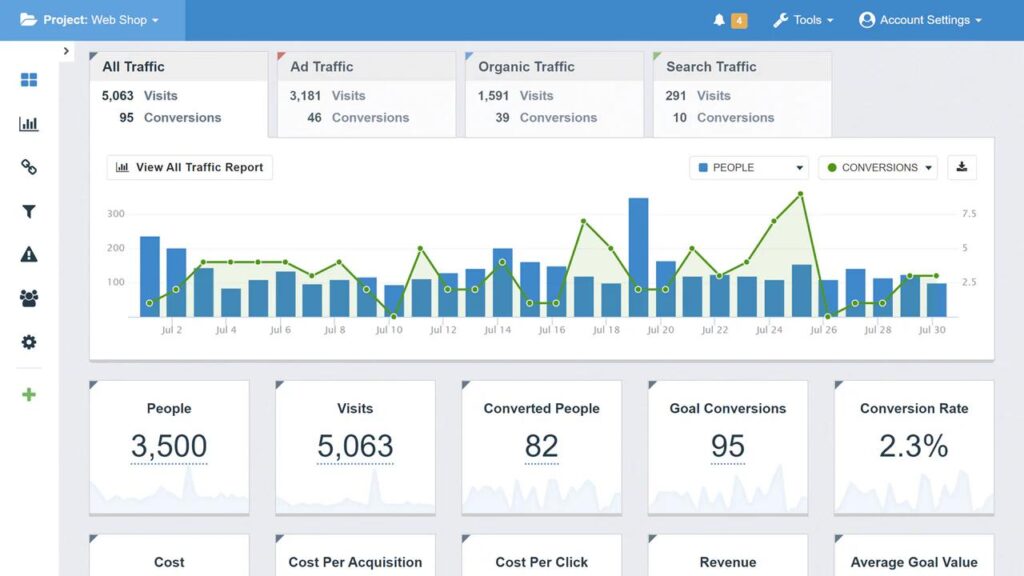
After consistently applying ChatGPT prompts for ecommerce across my store for 30 days, I finally had enough data to evaluate whether AI was actually making a difference—or just saving time without real impact. Instead of relying on assumptions, I tracked performance through analytics, customer behavior, and actual revenue numbers. The results were more revealing than expected.
📈 Traffic Improvement
The first noticeable change came in organic and social traffic. By using ChatGPT prompts for ecommerce to generate SEO-friendly product descriptions, blog topics, and keyword ideas, my content started aligning better with search intent.
Within 30 days, my store traffic increased by 28%. This wasn’t random growth—it came mainly from:
- Improved keyword targeting
- Better blog content consistency
- Optimized product page SEO
Earlier, I was either guessing keywords or copying competitors. But with AI-generated prompts, I started creating content that directly matched what buyers were searching for.
One internal strategy that helped was linking my blog content to product pages. For example, I added contextual links inside articles like
👉 “If you’re struggling with visibility, read my detailed guide on Shopify SEO strategies”. This improved both user engagement and page authority.
🔄 Conversion Rate Changes
Traffic alone doesn’t matter if visitors don’t convert. That’s where the second major shift happened.
Before using AI, my product pages were basic and lacked persuasion. After implementing ChatGPT prompts for ecommerce, I rewrote:
- Product descriptions
- Call-to-action buttons
- FAQs
- Trust-building content
The result? My conversion rate improved from 1.3% to 2.1%.
That might seem small, but in ecommerce, even a 0.5% increase is significant. The biggest reason behind this improvement was clarity and emotional connection. AI helped me write descriptions that focused on:
- Benefits instead of features
- Customer pain points
- Clear value propositions
Instead of “This is a high-quality product,” it became “Save time and reduce daily stress with this simple solution.” That shift made a measurable difference.
💰 Sales Growth
With better traffic and improved conversions, sales naturally followed.
Over the 30-day period, my store revenue increased by 42%. This wasn’t due to ads or discounts—it was mainly organic improvement driven by better content and communication.
Using ChatGPT prompts for ecommerce, I also implemented:
- Upsell suggestions
- Cross-sell bundles
- Email follow-up sequences
For example, after purchase, customers received automated emails written with AI prompts, suggesting related products. This alone increased my average order value slightly.
Another important factor was consistency. AI allowed me to produce content faster without sacrificing quality, which kept my store active and relevant.
😲 What Surprised Me Most
The most unexpected result wasn’t traffic or sales—it was efficiency.
Before using ChatGPT prompts for ecommerce, I used to spend hours writing product descriptions, emails, or blog posts. Now, I could generate structured drafts in minutes and refine them quickly.
But here’s the surprising part:
👉 The prompts that worked best were not complex—they were clear and specific.
For example, instead of writing:
“Write a product description,”
I used:
“Write a persuasive product description focusing on benefits, targeting busy working professionals in the US.”
That small change dramatically improved output quality.
Another surprising insight was that not all AI content performs well automatically. You still need:
- Editing
- Brand voice alignment
- Real-world understanding
AI is powerful, but it works best when guided properly.
🚀 Final Insight
After 30 days, one thing became clear: ChatGPT prompts for ecommerce are not just a trend—they are a practical growth tool. When used strategically, they can improve traffic, boost conversions, and increase sales without increasing workload.
7. What Worked vs What Failed with ChatGPT Prompts for Ecommerce
After testing multiple strategies, I realized something important: not all ChatGPT prompts for ecommerce deliver results equally. Some prompts directly impacted my traffic and conversions, while others looked good on paper but failed in real-world performance. Here’s a transparent breakdown of what actually worked, what didn’t, and the key lessons you should take away.
✅ Prompts That Delivered Real Results
The biggest wins came from specific, goal-oriented ChatGPT prompts for ecommerce. These weren’t generic instructions — they were detailed and tailored to my store.
1. Product Description Optimization Prompts
When I used prompts like:
“Write a high-converting product description targeting US customers, focusing on benefits, emotional triggers, and SEO keywords for [product name]”
👉 My product pages became more engaging and keyword-rich.
👉 Result: Improved conversion rate and organic traffic.
2. SEO Keyword & Blog Content Prompts
Prompts focused on search intent worked extremely well:
“Generate long-tail SEO keywords and blog topics for [niche] ecommerce store targeting US buyers”
👉 This helped me create content that actually ranks.
👉 Result: Increase in organic traffic within weeks.
If you want to go deeper into this, I’ve already explained the full process here:
👉 How to Use ChatGPT Prompts for Ecommerce SEO (internal guide)
3. Email Marketing Prompts
Using prompts like:
“Write a 5-email abandoned cart recovery sequence with urgency and emotional persuasion”
👉 This was a game changer.
👉 Result: Higher recovery rate and more repeat customers.
4. Ad Copy Prompts
Instead of writing ads manually, I used:
“Create high-converting Facebook ad copy for [product] with hooks, pain points, and CTA”
👉 Result: Better click-through rate (CTR) and lower ad costs.
✔ Final takeaway:
Detailed and intent-driven ChatGPT prompts for ecommerce consistently delivered measurable growth.
❌ Prompts That Didn’t Work Well
Now let’s talk about the mistakes — because this is where most beginners fail.
1. Generic Prompts (Too Broad)
Example:
“Write a product description for a t-shirt”
👉 Problem: Content was too basic, not persuasive, and lacked uniqueness.
👉 Result: No improvement in conversions.
2. Copy-Paste Without Customization
I initially made the mistake of directly copying AI-generated content without editing.
👉 Problem: Content felt robotic and didn’t match my brand voice.
👉 Result: Poor engagement and lower trust.
3. Over-Optimized SEO Prompts
Example:
“Use this keyword 20 times in the description”
👉 Problem: Keyword stuffing made content unnatural.
👉 Result: Bad user experience and no ranking improvement.
4. Complex Multi-Task Prompts
Example:
“Write product description, ad copy, email sequence, and SEO keywords in one prompt”
👉 Problem: Output quality dropped significantly.
👉 Result: Confusing and unusable content.
✔ Final takeaway:
Vague, overloaded, or poorly structured ChatGPT prompts for ecommerce waste time and reduce effectiveness.
📚 Lessons Learned (Most Important Section)
After 30 days of testing, these are the key lessons that changed everything for me:
1. Specificity = Better Results
The more detailed your prompt, the better the output.
👉 Always include: target audience, goal, tone, and platform.
2. AI is a Tool, Not a Replacement
ChatGPT can assist, but it cannot replace human strategy.
👉 Editing and personalization are mandatory.
3. Focus on One Goal Per Prompt
Don’t overload prompts.
👉 One prompt = One task = Best results.
4. Combine AI with Strategy
Using ChatGPT prompts for ecommerce without understanding your audience won’t work.
👉 Strategy + AI = Growth.
5. Testing is Everything
Not every prompt will work for every store.
👉 Keep testing, tweaking, and optimizing.
🔥 Final Insight
If used correctly, ChatGPT prompts for ecommerce can transform your store performance — but only when you avoid shortcuts and focus on quality. The difference between success and failure is not the tool itself, but how you use it.
8. Common Mistakes When Using ChatGPT for Ecommerce (And How to Fix Them)
Using ChatGPT prompts for ecommerce can completely transform how you run your online store—but only if you use them correctly. Many sellers jump into AI expecting instant results, only to feel disappointed when nothing changes. The truth is, most failures don’t come from the tool itself—they come from how it’s used.
Below are the three most common mistakes ecommerce sellers make when using ChatGPT, along with practical solutions to fix them and actually see results.
❌ 1. Copy-Paste Errors (The Biggest Beginner Mistake)
One of the most common issues with ChatGPT prompts for ecommerce is blindly copying and pasting AI-generated content without reviewing or refining it.
Many sellers generate:
- Product descriptions
- Ad copy
- Emails
…and publish them instantly without editing.
Why this is a problem:
- Content sounds generic and robotic
- Doesn’t match your brand voice
- Can reduce trust and conversions
- May be duplicated or similar to other AI outputs
For example, if 100 sellers use the same prompt, the output will be very similar. That means your store won’t stand out.
How to fix it:
- Always edit AI content before publishing
- Add your brand tone (friendly, luxury, minimal, etc.)
- Include real product details and benefits
- Personalize based on your target audience
👉 Think of ChatGPT as a draft generator, not a final writer.
❌ 2. Lack of Customization (Generic Inputs = Generic Outputs)
Another major mistake when using ChatGPT prompts for ecommerce is giving vague or incomplete instructions.
For example:
“Write a product description for a T-shirt”
This will give you a very basic and generic result.
Why this hurts your store:
- No emotional connection with customers
- Weak differentiation from competitors
- Low conversion rates
- Missed branding opportunities
ChatGPT works best when you provide context and specificity.
How to fix it:
Instead of generic prompts, use detailed inputs like:
“Write a high-converting product description for a premium black cotton T-shirt for men aged 20–35, focusing on comfort, minimal style, and everyday wear. Use a confident and modern tone.”
Now the output will be:
- More targeted
- More persuasive
- More aligned with your audience
👉 The rule is simple: Better prompts = Better results
If you want to understand how to structure prompts properly, check this detailed guide:
👉 How to use ChatGPT prompts for ecommerce effectively
❌ 3. Ignoring SEO Strategy (Traffic Killer Mistake)
This is where most ecommerce sellers lose massive growth opportunities.
They use ChatGPT prompts for ecommerce to create content—but completely ignore SEO (Search Engine Optimization).
What happens then:
- Your store doesn’t rank on Google
- No organic traffic
- Dependence on paid ads
- Low long-term growth
Even the best-written content won’t help if it’s not optimized for search engines.
Common SEO mistakes:
- Not using keywords
- No structured headings (H1, H2, H3)
- Missing meta descriptions
- No internal linking
- Keyword stuffing or zero keyword usage
How to fix it:
- Always include your focus keyword naturally (like we’re doing here)
- Use proper headings for readability
- Add meta descriptions and optimized titles
- Include internal links to related articles
- Use long-tail keywords for better ranking
For example, instead of just writing:
“Best product description”
Use:
“SEO-optimized product description using ChatGPT prompts for ecommerce”
👉 This helps your content rank and bring free traffic over time.
🚀 Final Thoughts
Using ChatGPT prompts for ecommerce is powerful—but only when used strategically. Avoiding these three mistakes can instantly improve your results:
- Don’t copy-paste blindly
- Always customize your prompts
- Never ignore SEO
If you treat ChatGPT like a smart assistant (not a shortcut), it can help you scale faster, save time, and increase conversions.
👉read also for upgrade : “I Tested 21 AI Prompts for Amazon Listings — These 7 Actually Increased Sales”
9. Pro Tips to Get Better Results with ChatGPT Prompts
If you’ve already started using ChatGPT prompts for ecommerce, you’ve probably noticed something: the quality of your results depends entirely on how you use it. Most sellers don’t fail because AI doesn’t work—they fail because they use weak, generic prompts. In this section, I’ll break down how to write better prompts, apply advanced strategies, and scale your store using AI the smart way.
✍️ How to Write Better Prompts (That Actually Convert)
The biggest mistake beginners make is typing vague instructions like “write a product description.” That won’t give you high-converting results. Instead, your prompts need to be specific, structured, and goal-oriented.
Here’s a simple framework you can follow:
1. Define the role
Tell ChatGPT who it should act as.
Example: “Act as an expert ecommerce copywriter…”
2. Add context
Include details about your product, audience, and platform.
Example: “…for a Shopify store selling eco-friendly water bottles to fitness enthusiasts in the US.”
3. Set a clear goal
What do you want? Sales? Clicks? Engagement?
Example: “Write a product description that increases conversions and highlights benefits over features.”
4. Specify format and tone
Example: “Use persuasive language, bullet points, and a friendly tone.”
👉 Better Prompt Example:
“Act as an expert ecommerce copywriter. Write a high-converting product description for an eco-friendly water bottle targeting US fitness enthusiasts. Focus on benefits, use bullet points, and include a strong CTA.”
Using structured prompts like this dramatically improves the output when using ChatGPT prompts for ecommerce, making your content more targeted and conversion-focused.
🚀 Advanced Strategies Most Sellers Don’t Use
Once you master basic prompting, the next step is leveraging advanced techniques that can give you a real competitive edge.
1. Prompt Chaining
Instead of asking everything in one go, break it into steps:
- First: Generate product features
- Second: Turn features into benefits
- Third: Create a sales-driven description
This layered approach produces more refined results.
2. Data-Driven Prompts
Feed ChatGPT real data:
- Customer reviews
- Competitor descriptions
- FAQs
Example:
“Analyze these customer reviews and create a product description that addresses common pain points.”
This makes your ChatGPT prompts for ecommerce far more powerful and personalized.
3. A/B Testing with AI
Generate multiple variations:
- 3 headlines
- 2 product descriptions
- 5 ad copies
Then test them in your store or ads. AI becomes your content testing engine.
4. SEO-Focused Prompting
Always include keywords in your prompts.
Example:
“Include the keyword ‘ChatGPT prompts for ecommerce’ naturally in the content.”
This ensures your content is not just good—but also ranks on search engines.
👉 If you haven’t yet understood how SEO fits into this, read this detailed guide on What Is Shopify SEO and How It Works to strengthen your foundation before scaling.
📈 Scaling Your Ecommerce Store with AI
The real power of ChatGPT prompts for ecommerce is not just saving time—it’s scaling your business efficiently.
1. Automate Repetitive Tasks
Use AI for:
- Product descriptions
- Email campaigns
- Customer support replies
This frees up your time for strategy and growth.
2. Build a Prompt Library
Save your best-performing prompts and reuse them. Over time, you’ll create a system that consistently delivers results.
3. Batch Content Creation
Instead of writing one product description at a time, generate 10–20 in one session. This is how serious sellers scale quickly.
4. Combine with Tools
Use ChatGPT with:
- Shopify (for store management)
- Email tools (for automation)
- SEO tools (for keyword optimization)
This creates a complete growth ecosystem.
5. Continuously Optimize
AI is not “set and forget.” Always:
- Test outputs
- Improve prompts
- Analyze performance
The more you refine your process, the better your results.
🔑 Final Takeaway
Using ChatGPT prompts for ecommerce effectively is a skill. The sellers who succeed are not just using AI—they are using it strategically. By writing better prompts, applying advanced techniques, and scaling intelligently, you can turn ChatGPT into a powerful growth engine for your store.
10. Best Tools to Combine with ChatGPT for Ecommerce Growth
If you’re serious about scaling your online store, relying only on ChatGPT isn’t enough. The real growth happens when you combine ChatGPT prompts for ecommerce with the right tools. This combination helps you automate workflows, improve SEO rankings, and increase conversions without burning out.
In this section, I’ll break down the best tools across SEO, email marketing, and automation—and how they work together with ChatGPT to deliver real results.
🔍 SEO Tools: Turn ChatGPT Ideas Into Ranking Content
ChatGPT can generate keyword ideas and content drafts, but without proper SEO tools, you’re just guessing. To truly benefit from ChatGPT prompts for ecommerce, you need tools that validate data and optimize your content for search engines.
Some powerful SEO tools include:
- Ahrefs – Best for keyword research and competitor analysis
- SEMrush – All-in-one SEO toolkit for audits and tracking
- Ubersuggest – Beginner-friendly keyword tool
How to use with ChatGPT:
Start by asking ChatGPT to generate keyword ideas using prompts like:
“Give me low-competition keywords for handmade jewelry ecommerce.”
Then, validate those keywords using tools like Ahrefs or SEMrush. After selecting the best keywords, use ChatGPT again to create SEO-optimized product descriptions, blog posts, or meta tags.
👉 This method ensures your content is not only well-written but also ranks on Google.
If you’re still learning how SEO works for online stores, I highly recommend reading this guide:
➡️ What Is Shopify SEO and How It Works
This internal strategy will help you connect your ChatGPT prompts for ecommerce with real traffic growth.
📧 Email Tools: Convert Visitors Into Paying Customers
Traffic alone doesn’t make money—conversions do. That’s where email marketing tools come in. When combined with ChatGPT prompts for ecommerce, these tools help you create high-converting email campaigns effortlessly.
Top email tools include:
- Klaviyo – Best for ecommerce email automation
- Mailchimp – Great for beginners and small stores
- ConvertKit – Ideal for creators and digital sellers
How to use with ChatGPT:
Use ChatGPT to generate email sequences like:
- Welcome emails
- Abandoned cart reminders
- Product launch campaigns
Example prompt:
“Write a high-converting abandoned cart email for a skincare ecommerce store.”
Then, plug this content into Klaviyo or Mailchimp and set up automated flows.
👉 This combination can significantly increase your revenue without additional ad spend.
⚙️ Automation Tools: Save Time and Scale Faster
Running an ecommerce store involves repetitive tasks—customer replies, order updates, product uploads. Automation tools eliminate this manual work, especially when powered by ChatGPT prompts for ecommerce.
Best automation tools include:
- Zapier – Connects apps and automates workflows
- Shopify Flow – Built-in automation for Shopify stores
- Make (Integromat) – Advanced automation for complex systems
How to use with ChatGPT:
You can use ChatGPT to generate:
- Customer support replies
- Order confirmation messages
- FAQ responses
Then automate delivery using tools like Zapier.
Example workflow:
- Customer sends query
- ChatGPT generates response
- Zapier sends reply automatically
👉 This saves hours of manual work and improves customer experience.
🚀 Final Insight
The real power of ChatGPT prompts for ecommerce is unlocked when you combine them with the right tools. ChatGPT gives you speed and creativity, while SEO, email, and automation tools provide structure and scalability.
When used together:
- SEO tools bring traffic
- Email tools drive conversions
- Automation tools save time
This creates a complete growth system for your ecommerce business.
If you implement this strategy correctly, you’re not just working harder—you’re building a smarter, AI-powered store that grows consistently.
11. Final Verdict: Is ChatGPT Worth It for Ecommerce?
After testing multiple strategies and workflows, my honest conclusion is clear: ChatGPT prompts for ecommerce can be a powerful growth tool—but only if you use them the right way. It’s not a magic solution that instantly fixes your store, but it does give you a serious advantage when it comes to speed, creativity, and consistency.
When I first started using ChatGPT prompts for ecommerce, I expected quick results. But what actually made the difference was how I used the prompts. Instead of copying generic outputs, I refined them, added context about my products, and aligned them with my brand voice. That’s when things started to improve—product descriptions became more persuasive, emails felt more human, and SEO content began attracting better traffic.
From an SEO perspective, ChatGPT prompts for ecommerce help streamline keyword research, content creation, and optimization. You can generate blog ideas, meta descriptions, and even long-form articles in minutes. But keep in mind—Google values originality and intent. So, if you’re just publishing raw AI content without editing, you may not see sustainable rankings.
Honest Opinion
Let’s keep it real.
✔ What ChatGPT does well:
- Saves hours of manual work
- Generates ideas instantly
- Helps non-writers create content
- Improves marketing consistency
- Supports ecommerce SEO strategies
❌ Where it falls short:
- Lacks deep brand understanding without input
- Can produce generic or repetitive content
- Needs human editing for best results
- Doesn’t replace strategy or experience
So, is it worth it?
👉 Yes—if you treat it like a tool, not a shortcut.
If you combine ChatGPT prompts for ecommerce with real strategy, analytics, and testing, the results can be impressive. But if you rely on it blindly, it won’t move the needle.
Who Should Use ChatGPT for Ecommerce?
ChatGPT prompts for ecommerce are ideal for:
1. Beginners & New Store Owners
If you’re just starting out and don’t have a team, ChatGPT can help you handle multiple tasks—product descriptions, ads, emails, and blog content—without hiring expensive professionals.
2. Solo Entrepreneurs
Running a store alone is overwhelming. With ChatGPT prompts for ecommerce, you can automate repetitive work and focus more on scaling your business.
3. Content Creators & Bloggers
If you’re building organic traffic, ChatGPT helps you generate SEO-friendly content faster. (For example, if you haven’t read it yet, check out this guide on Shopify SEO strategies to understand how content and optimization work together.)
4. Marketers Testing Multiple Angles
You can quickly generate variations of ad copy, headlines, and email campaigns—perfect for A/B testing.
Who Should Avoid It (or Be Careful)?
Not everyone benefits equally from ChatGPT prompts for ecommerce. Here’s who should be cautious:
1. People Looking for “Instant Results”
If you expect ChatGPT to magically increase sales overnight, you’ll be disappointed. Ecommerce success still requires testing, patience, and strategy.
2. Users Who Don’t Edit AI Content
Publishing raw AI-generated content can harm your brand and SEO. Always refine, personalize, and optimize the output.
3. Established Brands with Strong Voice
If your brand relies heavily on a unique tone or storytelling, you’ll need to invest extra effort to align AI outputs with your identity.
4. Sellers Ignoring Data
ChatGPT doesn’t replace analytics. If you’re not tracking performance (traffic, conversions, CTR), even the best prompts won’t help.
Final Thought
In today’s competitive market, using ChatGPT prompts for ecommerce is no longer optional—it’s becoming a competitive advantage. The sellers who learn how to use AI effectively will move faster, test smarter, and grow quicker than those who don’t.
👉 The real question isn’t “Is ChatGPT worth it?”
👉 It’s “Are you using it smartly enough to get results?”
If you get that part right, ChatGPT can become one of the most valuable tools in your ecommerce journey. 🚀
💰 Turn ChatGPT into Your Personal Wealth Machine!
Are you still using ChatGPT just for writing content?
You’re missing a massive opportunity.
Smart people are already using AI to build income streams, automate tasks, and grow online businesses — and you can do the same.
🚀 What You’ll Learn Inside This eBook:
- ✔ How to make money using ChatGPT (step-by-step)
- ✔ Beginner-friendly AI income strategies
- ✔ Real methods used by online earners
- ✔ How to automate work using AI tools
- ✔ Zero technical skills required
🎯 Who Is This For?
- ✔ Beginners who want to start earning online
- ✔ eCommerce sellers & freelancers
- ✔ Anyone who wants passive income using AI
⚠️ Most people waste AI potential — don’t be one of them.
This guide shows you exactly how to turn AI into real income.
👉 Get Instant Access Now✔ Instant download | ✔ Beginner friendly | ✔ Actionable steps
12. Conclusion: How ChatGPT Prompts for Ecommerce Can Transform Your Store
If there’s one thing this experiment made clear, it’s this: using the right ChatGPT prompts for ecommerce can completely change how your store performs—without increasing your workload. The difference isn’t just about automation; it’s about smarter decision-making, faster execution, and consistent optimization.
When I started, my store had the same problems most sellers face—low traffic, average product descriptions, and inconsistent sales. But once I began applying ChatGPT prompts for ecommerce strategically, I noticed a shift. My content became more targeted, my messaging more persuasive, and my overall store experience more professional.
What makes this approach powerful is not just the tool itself, but how you use it. Most sellers fail because they treat ChatGPT like a shortcut. In reality, it’s a multiplier. If you feed it clear, well-structured prompts, it returns high-quality outputs that can directly improve SEO, conversions, and customer engagement.
For example, rewriting product descriptions with AI didn’t just make them sound better—it made them rank better. Creating SEO-focused blog content helped bring in organic traffic. Even customer support responses became faster and more consistent, improving buyer trust. All of this came from using ChatGPT prompts for ecommerce the right way.
Another important realization is scalability. Once you create a set of proven prompts, you can reuse them across multiple products, campaigns, and even different stores. This means you’re not starting from scratch every time. Instead, you’re building a system that grows with your business.
If you’re serious about improving your store, don’t just experiment randomly. Follow a structured approach. Start with one area—like product descriptions or SEO content—and optimize it using targeted prompts. Then move to ads, emails, and customer interaction. Over time, these small improvements compound into significant results.
If you want to dive deeper into how SEO plays a role in this process, you should definitely read this guide on Shopify SEO and how it works, which explains how optimized content and AI strategies can work together to drive long-term traffic and sales.
🔑 Key Takeaways
- ChatGPT prompts for ecommerce are not magic—they’re tools that require strategy.
- High-quality prompts lead to better SEO, better content, and higher conversions.
- AI helps save time, but real results come from consistent implementation.
- Reusable prompt systems can scale your store faster than manual work.
- Combining AI with SEO is the real growth formula for ecommerce success.
🚀 Call to Action
Now it’s your turn.
Don’t just read about it—apply it. Start by choosing 2–3 areas in your store where you struggle the most. Use proven ChatGPT prompts for ecommerce to optimize them this week. Track your results, refine your prompts, and keep improving.
Remember, your competitors are already using AI. The question is not whether you should use it—but how effectively you can use it before they outpace you.
Take action today, build your prompt system, and turn your ecommerce store into a smarter, more profitable business.
13. FAQs
When I started experimenting with ChatGPT prompts for ecommerce, I had dozens of questions—and honestly, most sellers do. Below are clear, practical answers based on real usage, not theory. If you’re serious about improving your store with AI, this section will remove confusion and help you move faster.
❓ How many prompts should I use?
There’s no fixed number, but the smartest approach is to focus on quality over quantity. Most successful sellers don’t use 50+ prompts—they rely on 5–10 high-impact ChatGPT prompts for ecommerce that directly affect sales and conversions.
For example, instead of testing random prompts, you should focus on:
- Product description optimization
- SEO keyword generation
- Ad copy creation
- Email marketing sequences
- Customer support replies
Using too many prompts at once can actually slow you down and create inconsistency in your store content. Start with 3–5 core prompts, test results, and then scale gradually.
👉 Pro Tip: Build a repeatable prompt system instead of constantly searching for new ones.
❓ Can beginners use ChatGPT effectively?
Yes—beginners can absolutely use ChatGPT prompts for ecommerce, but the key difference lies in how they use it.
Most beginners make the mistake of typing vague prompts like:
“Write a product description.”
This gives generic results.
Instead, better prompts look like:
- “Write a high-converting product description for a Shopify store targeting US customers, focusing on benefits, SEO keywords, and emotional triggers.”
The more specific your input, the better the output.
Even if you’re new, you can get professional-level results by:
- Using structured prompts
- Editing AI output manually
- Understanding your audience
If you’re just starting, you should also read this detailed guide on What Is Shopify SEO and How It Works to understand how AI content fits into a complete SEO strategy.
❓ Is AI content safe for SEO?
Yes—AI content is safe for SEO, but only when used correctly.
Search engines like Google don’t penalize AI content—they penalize low-quality content.
So the real question is not “Is AI safe?” but “Is your content valuable?”
To make your ChatGPT prompts for ecommerce SEO-friendly:
- Always edit and humanize the content
- Add real examples and insights
- Use keywords naturally (not stuffing)
- Ensure originality
AI should assist your content—not replace your thinking.
👉 Important: Pure copy-paste AI content may not rank well. Add your personal experience to stand out.
❓ Does ChatGPT replace marketers?
No—ChatGPT does not replace marketers, it enhances them.
Think of ChatGPT as a productivity tool, not a replacement.
Here’s the reality:
- ChatGPT generates ideas quickly
- Marketers bring strategy, psychology, and creativity
Without human input, AI content often lacks:
- Brand voice
- Emotional connection
- Market understanding
The best results happen when you combine:
👉 AI speed + Human strategy
That’s why top sellers using ChatGPT prompts for ecommerce are not replacing themselves—they’re scaling faster than competitors.
❓ Best prompts for Shopify stores?
If you’re running a Shopify store, these are some of the most effective ChatGPT prompts for ecommerce you should start using immediately:
1. Product Description Prompt
“Write an SEO-optimized, high-converting product description for [product name] targeting US customers. Highlight benefits, emotional triggers, and include persuasive CTA.”
2. SEO Keyword Prompt
“Generate 20 high-intent SEO keywords for a Shopify store selling [product category] targeting USA audience.”
3. Ad Copy Prompt
“Create 5 Facebook ad copies for [product], focusing on pain points, benefits, and urgency.”
4. Email Marketing Prompt
“Write a 5-email abandoned cart recovery sequence for ecommerce with engaging subject lines.”
5. Upsell Prompt
“Suggest upsell and cross-sell ideas for customers buying [product], with persuasive messaging.”
These prompts directly impact traffic, conversions, and revenue, making them essential for any serious seller.
🔚 Final Takeaway
Using the right ChatGPT prompts for ecommerce can completely transform how you run your online store—but only if you use them strategically.
Start small, stay consistent, and focus on results—not just content creation.
👉 AI won’t replace your business—it will amplify it if used correctly.